Petit Planet by HoYoverse: What Is Known About the New Life Simulation for iOS and Android
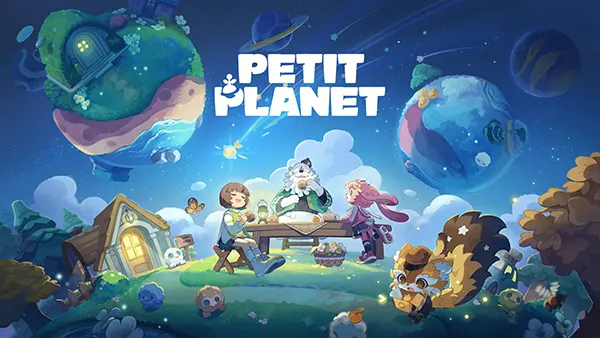
HoYoverse continues to expand beyond its established RPG portfolio, and Petit Planet has quickly become one of the most discussed upcoming mobile titles. Positioned as a life simulation game, it aims to combine creative sandbox mechanics with social interaction and a stylised visual identity. While official details remain limited as of 2026, available information and early previews already give a clear picture of what players can expect from this project.
Core Concept and Gameplay Direction of Petit Planet
Petit Planet is designed as a life-sim experience where players can build, customise, and interact within a shared virtual environment. Unlike traditional simulation games that focus purely on resource management, this title emphasises creativity and player-driven storytelling. Users are expected to shape their own space, design characters, and influence the evolving world around them.
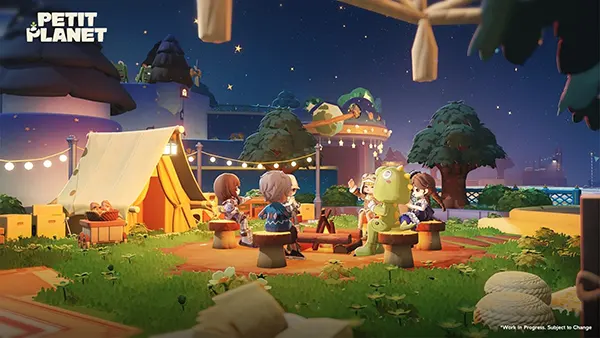
One of the defining elements is the integration of sandbox mechanics. Players will likely have access to a wide range of tools for constructing environments, decorating interiors, and modifying landscapes. This approach aligns with current trends in mobile gaming, where user-generated content plays a central role in long-term engagement.
Social interaction also appears to be a key component. Early reports suggest multiplayer features that allow users to visit each other’s spaces, collaborate on projects, and participate in shared activities. This direction places Petit Planet closer to modern social simulators rather than traditional single-player life-sim titles.
Visual Style and Technical Approach
The visual presentation of Petit Planet follows HoYoverse’s established aesthetic principles but adapts them for a more casual and accessible format. The game features soft colours, stylised character models, and compact environments designed for mobile screens. This makes it visually distinct from more complex open-world projects like Genshin Impact.
From a technical perspective, the game is being developed specifically for iOS and Android, with optimisation for mid-range devices. This suggests a focus on smooth performance rather than high-end graphical fidelity. The goal appears to be accessibility across a wide range of smartphones, which is critical for global reach.
There are also indications that cloud-based features and cross-device synchronisation may be included. This would allow players to continue their progress seamlessly across multiple devices, reflecting broader industry trends in mobile gaming infrastructure.
Features, Customisation, and Player Freedom
Customisation is expected to be one of the central pillars of Petit Planet. Players will likely have extensive options to personalise avatars, including clothing, accessories, and physical traits. This level of detail is consistent with HoYoverse’s focus on character identity and visual expression.
Environment editing tools are another major feature. Users may be able to design homes, public spaces, and entire mini-worlds. Such systems typically rely on modular building mechanics, allowing both casual players and more experienced creators to engage with the game at their own pace.
In addition, the game may include dynamic events and seasonal updates. These systems help maintain player interest by introducing new content regularly, such as themed decorations, limited-time activities, and collaborative challenges.
Monetisation Model and Player Economy
Although HoYoverse has not fully disclosed the monetisation structure, it is expected that Petit Planet will follow a free-to-play model. This usually includes optional in-game purchases for cosmetic items, expansions, or convenience features.
Importantly, early expectations suggest a focus on non-intrusive monetisation. In life simulation games, players often prioritise creativity and relaxation, so aggressive monetisation could negatively affect user experience. HoYoverse’s previous projects indicate a balance between revenue generation and player satisfaction.
There may also be a player-driven economy, where users can share or trade creations. While not officially confirmed, such systems are increasingly common in sandbox-style games and can significantly extend the lifecycle of the project.
Release Expectations and Industry Context in 2026
As of 2026, Petit Planet has not yet received a confirmed global release date. However, beta testing phases and regional previews suggest that development is progressing steadily. HoYoverse typically follows a structured rollout strategy, starting with limited testing before expanding to international audiences.
The timing of the release is particularly important given the growing competition in the life simulation genre. Titles such as Animal Crossing: Pocket Camp and various sandbox builders have already established strong player bases. Petit Planet will need to offer unique features to stand out in this crowded market.
At the same time, HoYoverse’s reputation gives the project a strong starting position. The company’s experience in live-service games and community management could play a crucial role in the long-term success of Petit Planet.
Potential Impact on Mobile Gaming Trends
If Petit Planet delivers on its promises, it could influence the direction of future mobile life-sim games. The combination of sandbox tools, social interaction, and consistent updates reflects a broader shift towards player-driven ecosystems.
Another potential impact lies in cross-genre development. By blending simulation, social features, and creative tools, the game may attract a wider audience beyond traditional life-sim players. This hybrid approach is becoming increasingly relevant in the mobile market.
Finally, the project highlights the continued expansion of HoYoverse into new genres. Moving beyond action RPGs demonstrates the company’s ambition to diversify its portfolio and explore different types of player experiences.