Strava Mobile: Running, Cycling and Activity Tracking in One App
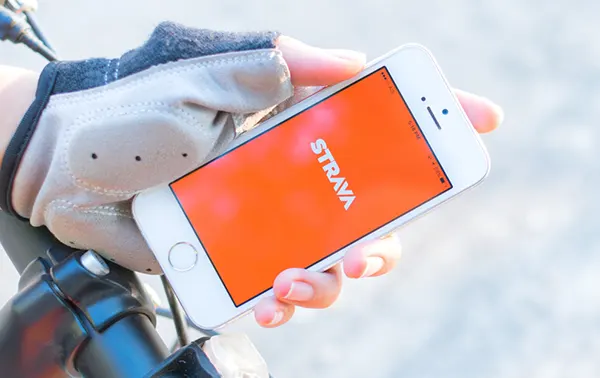
Strava Mobile remains one of the most widely used fitness tracking applications in 2026 for runners, cyclists and people who want detailed statistics about everyday physical activity. The app combines GPS route recording, workout analytics, social interaction and personal performance monitoring in a single mobile solution. Originally focused on cycling enthusiasts, Strava has gradually expanded into a broader fitness ecosystem that supports running, hiking, gym sessions, swimming and indoor training synchronised from compatible devices. Its popularity continues to grow because users can analyse real training data instead of relying on estimated activity indicators.
How Strava Mobile Works for Daily Sports Tracking
Strava Mobile uses smartphone GPS sensors together with wearable integrations to record movement in real time. During a run or ride, the application tracks distance, pace, elevation, speed, heart rate and route mapping. In 2026, the app supports integration with Apple Watch, Garmin, COROS, Polar, Fitbit, Samsung Galaxy Watch and many other devices. This allows athletes to gather more precise data without depending entirely on a phone during training sessions.
The app automatically organises activities into a training timeline where users can compare sessions over weeks or months. Performance trends, recovery indicators and route history help users understand how consistently they train. Many amateur athletes use these statistics to prepare for half-marathons, cycling races or personal endurance goals. Instead of manually writing training notes, Strava creates a structured archive of activities with measurable progress indicators.
Another important feature is automatic synchronisation with third-party fitness services. In 2026, Strava still works with Apple Health, Google Fit and TrainingPeaks, while exporting GPX files for advanced route analysis. This flexibility makes the application useful for both casual fitness users and experienced athletes who combine multiple tracking systems.
Real-Time Metrics and Route Analysis Features
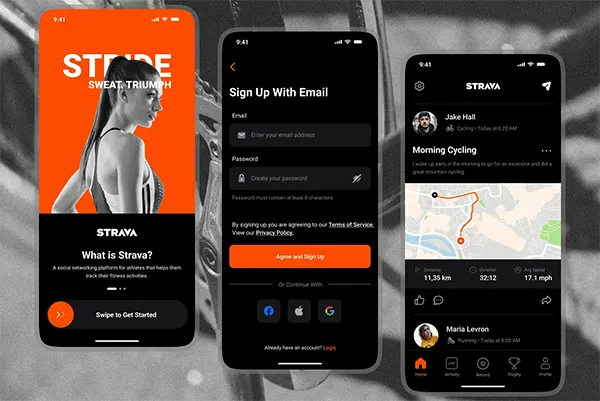
One of Strava’s strongest functions is detailed route analysis. Users can review pace changes, climb difficulty and heart rate fluctuations on interactive maps immediately after finishing an activity. The app highlights split performance and identifies sections where speed increased or dropped. Cyclists especially benefit from elevation and cadence analysis when preparing for longer outdoor rides.
Live tracking also became more advanced in recent versions of the application. Safety tools allow selected contacts to monitor a user’s location during outdoor sessions. This feature is commonly used during long-distance cycling or trail running, particularly in isolated areas. In 2026, safety functions remain an important reason why many outdoor athletes continue choosing Strava over simpler fitness trackers.
Route recommendations are another practical element. Based on regional popularity data, the application suggests running or cycling paths used by other athletes nearby. This can help users discover safer roads, better terrain conditions and routes with fewer traffic interruptions. Urban runners often use these suggestions when travelling to unfamiliar cities.
Social Features and Community Functions in Strava
Unlike many traditional fitness applications, Strava combines activity tracking with social interaction. Users can follow friends, comment on workouts and share achievements inside the app. This social aspect encourages long-term motivation because activities become visible within personal fitness communities rather than remaining private statistics.
Clubs and challenges continue to play a major role in user engagement. Running groups, cycling teams and local fitness communities create monthly goals and leaderboard competitions. In 2026, branded global challenges organised by sportswear companies and event organisers remain highly active. Many users join these challenges to maintain consistency rather than to compete professionally.
The segment system is still one of Strava’s defining features. Segments divide roads or paths into competitive sections where athletes compare performance times against other users. Cyclists and runners frequently use segments to measure improvements on familiar routes. While premium subscriptions provide more advanced ranking insights, the core competitive structure remains accessible to free users.
Privacy Controls and User Security in 2026
Privacy management has become increasingly important for fitness applications, and Strava has expanded its controls significantly. Users can now define private zones around homes or workplaces to prevent exact addresses from appearing on public route maps. This reduces the risks associated with location exposure while still allowing activity sharing.
The application also gives users more detailed audience settings for individual workouts. Activities can remain fully private, visible only to followers or accessible publicly. These settings are especially relevant for professional athletes, journalists and public figures who prefer to limit live movement visibility.
Strava’s data policies in 2026 continue to focus on user consent for third-party integrations and analytics sharing. Although anonymised heatmaps remain part of route popularity analysis, users have more direct control over whether their data contributes to public activity visualisations. This reflects broader digital privacy expectations across mobile fitness services.
Subscription Options, AI Features and Strava’s Position in 2026
Strava operates with both free and paid subscription tiers. The free version still includes basic GPS tracking, activity recording and social features, while the premium subscription unlocks advanced analytics, recovery monitoring, route planning and detailed performance comparisons. Many users continue using the free version successfully, especially for recreational fitness tracking.
Artificial intelligence tools have become more noticeable in the application during 2025 and 2026. Strava now provides automated training summaries, predictive performance insights and personalised activity recommendations based on previous workouts. These features help users understand training patterns without manually reviewing large amounts of data.
The application also maintains strong relevance because it supports different activity types rather than focusing on a single sport. Users can combine cycling, gym training, hiking, yoga and running within one profile. This flexibility reflects how modern fitness habits increasingly involve mixed training routines instead of one dedicated discipline.
Who Benefits Most from Using Strava Mobile
Strava is particularly useful for runners and cyclists who train outdoors regularly and want accurate route statistics. The combination of GPS mapping, segment comparisons and wearable integrations offers more analytical depth than many basic fitness applications. Amateur athletes preparing for organised events often rely on Strava to monitor progression over time.
People who need social motivation also benefit from the app’s community structure. Seeing friends complete workouts, join challenges or share achievements can encourage more consistent physical activity. This is especially valuable for users who train independently rather than in organised sports clubs.
In 2026, Strava continues to hold a strong position in the fitness app market because it balances detailed analytics with accessibility. While professional athletes can use advanced performance tools, casual users can still track walks, runs and rides without complicated setup processes. Its combination of accurate tracking, community interaction and cross-device compatibility keeps it relevant in a highly competitive mobile fitness sector.